Layers of History in a Painting of Edinburgh
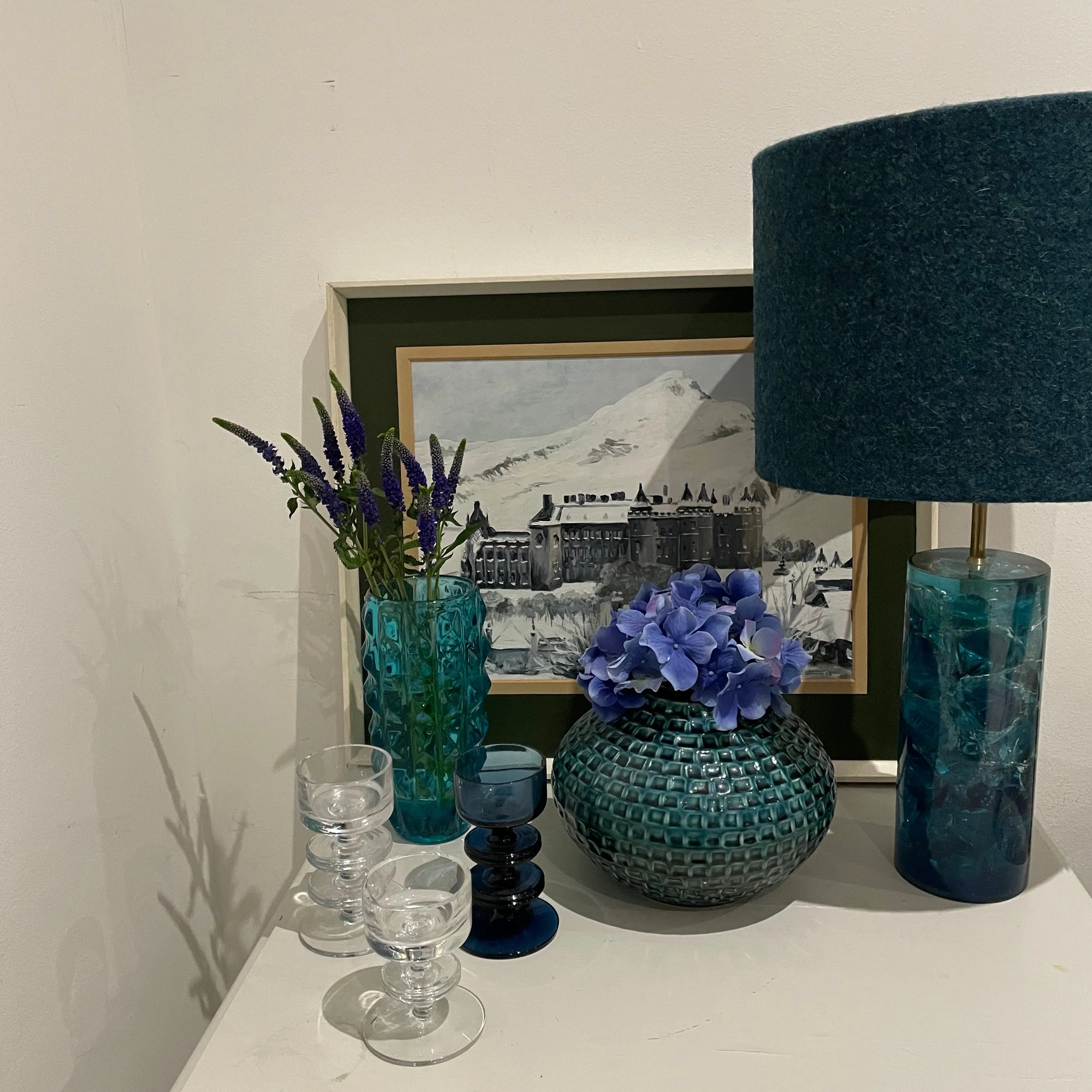
The most interesting rooms are ones where the objects tell you a story about the people living there. Many times, the best stories are rooted in a place, and for us, that place is mostly Scotland. On this bedside table in my house stands a small oil painting, painted in 1968 and signed C. Stanton.
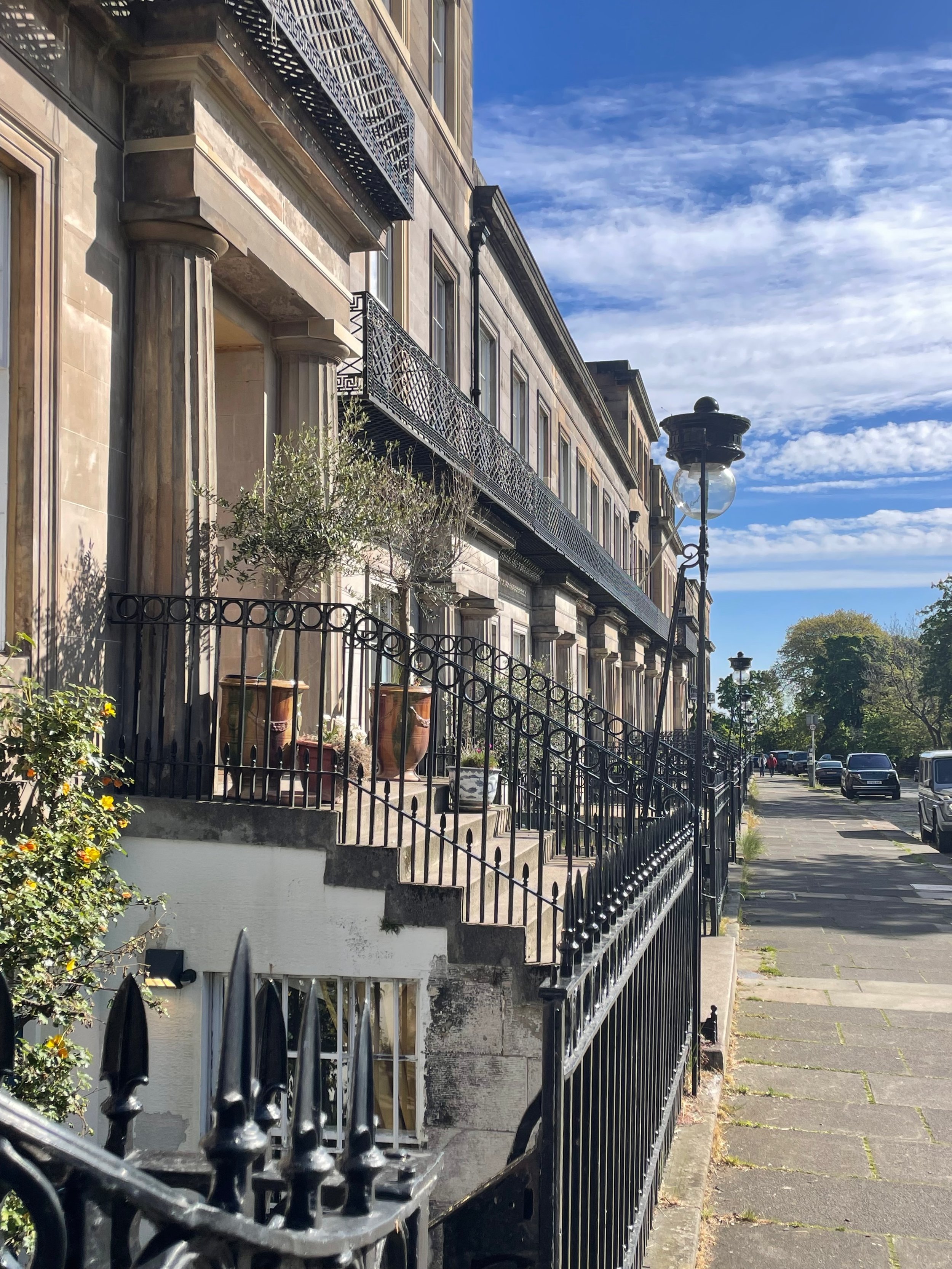
I went out in the early morning to try to find the spot the artist stood. I’m looking along Regent Terrace and if I turn I see Holyrood Palace standing at the foot of Arthur’s Seat.
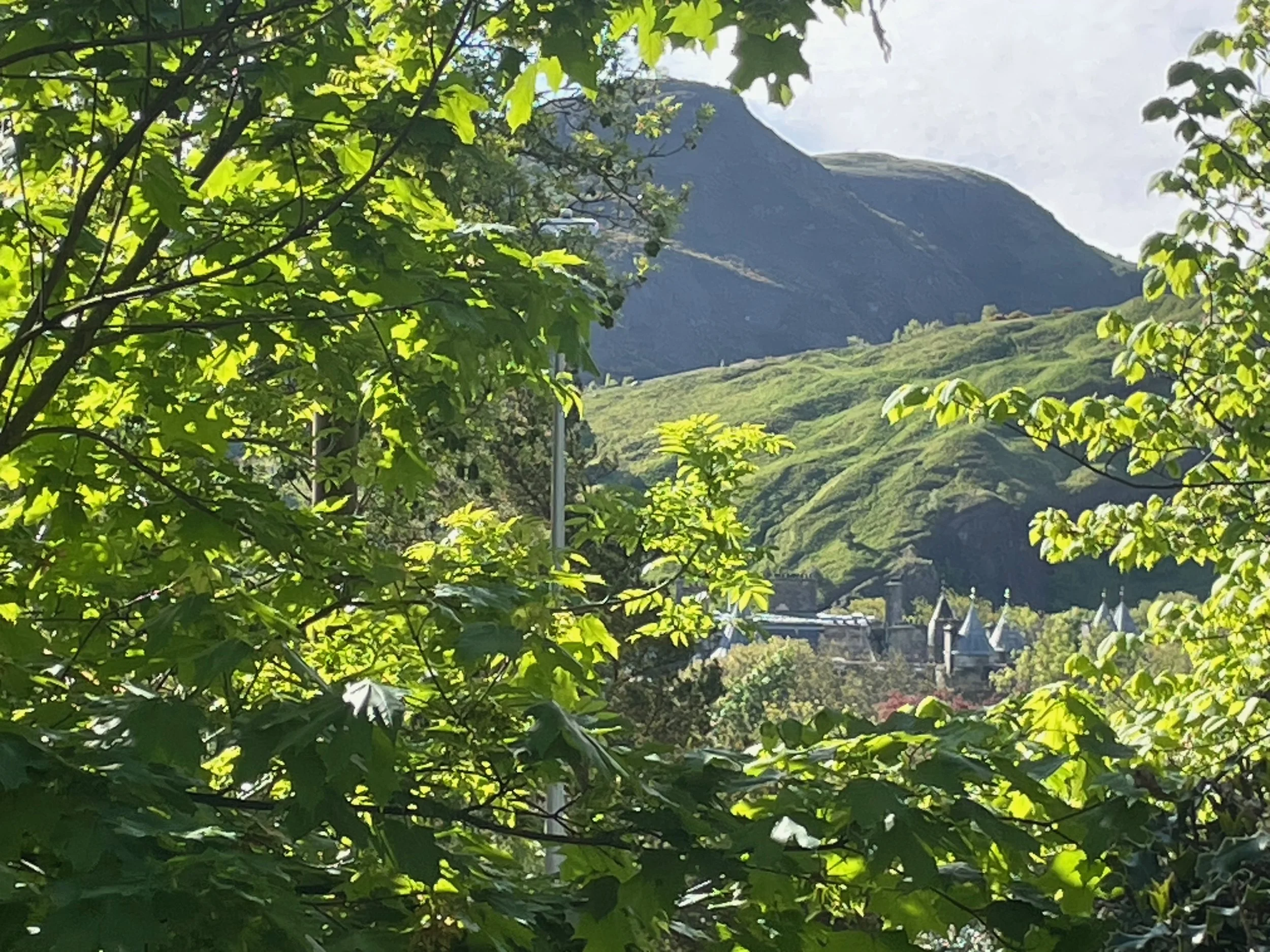
Of course, its late spring here and the trees are in leaf. When the snowy picture was painted in the winter over 50 years ago, the trees would have been lower and not in leaf. But I feel that I’m roughly in the right place.
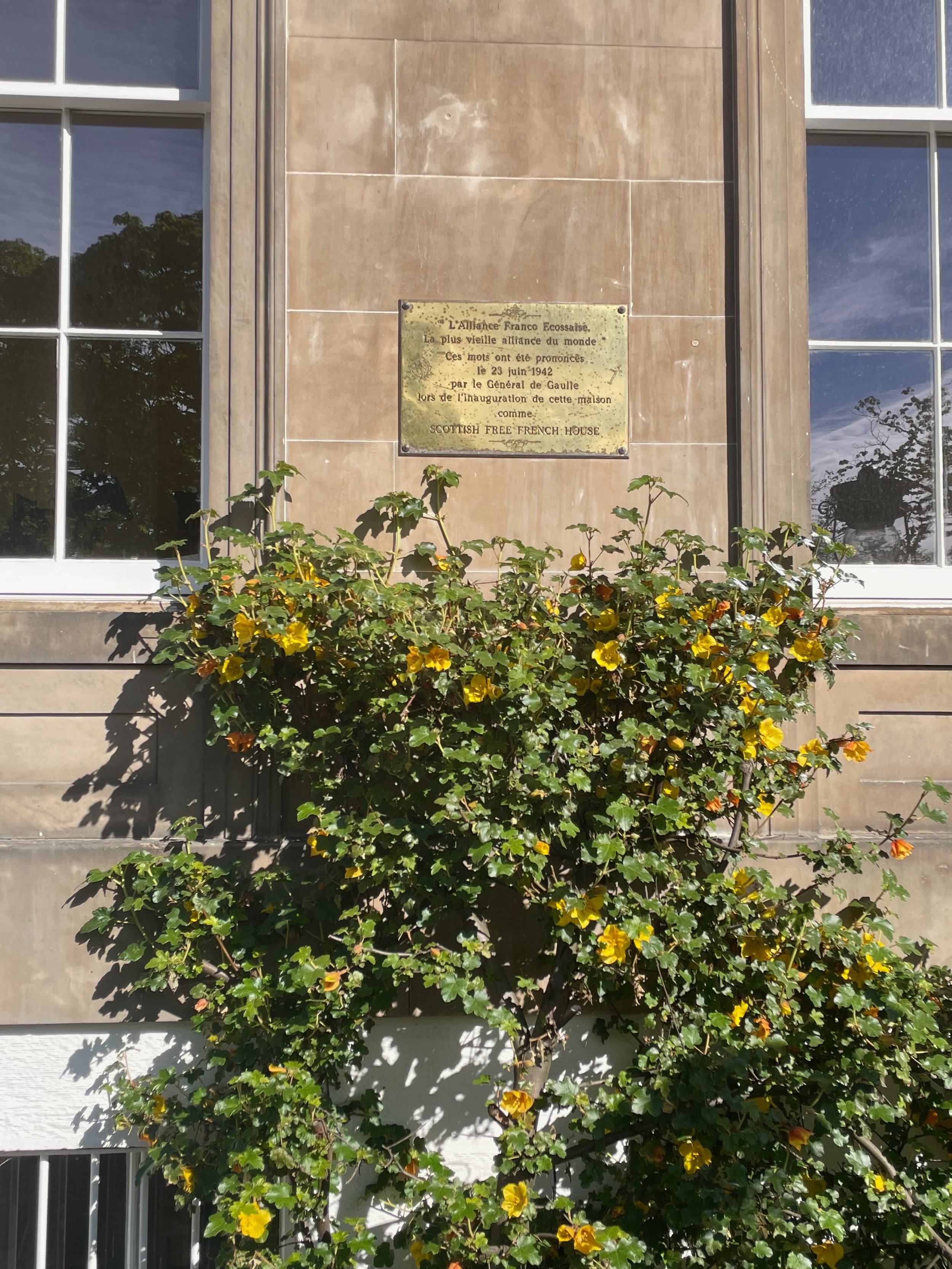
I see a plaque on the wall behind me and it says that in 1942, General de Gaulle inaugurated the building as the Scottish Free French House and declared the Franco-Scottish Alliance the oldest in the world.
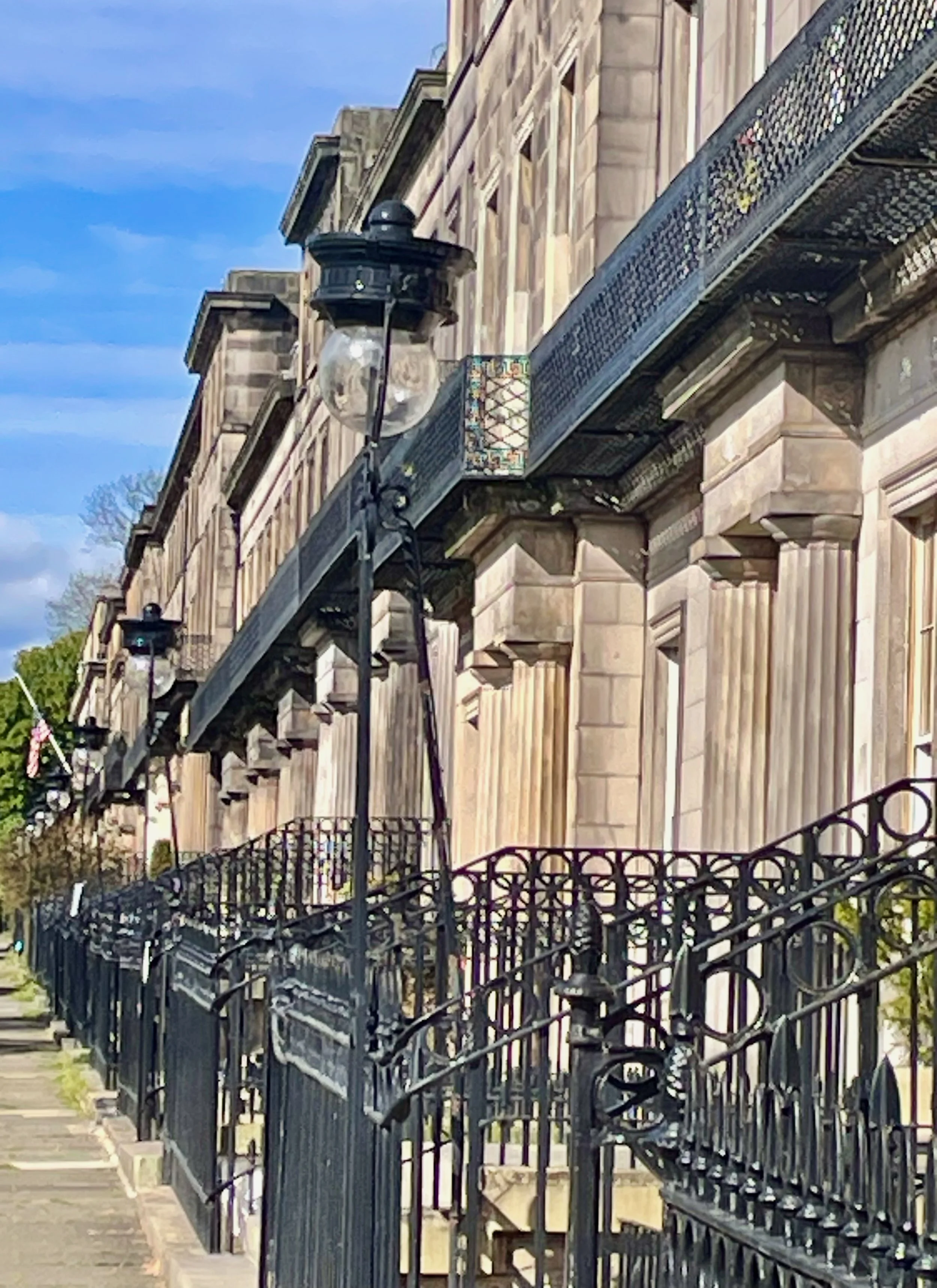
Looking in the other direction, I see No.17, the home of the now rather disgraced Revd. Selby Wright, the minister in the mid 20th C of Canongate Kirk. This is the family church of my grandmother who worshipped there and called him the Revd. Seldom Right. If I look back to the hill, I can see the summit where my grandmother joined in the May Day Services led by Selby Wright that Edinburgh people in their thousands climbed the hill to attend.

I can see The Dasses which is an area just above Hunter’s bog where there is evidence of Iron Age stone circles. Recent surveys have found no evidence of them but I do remember them when I was a child. I liked to stand in The Dasses and look down on the city and imagine what it was like before the city existed.
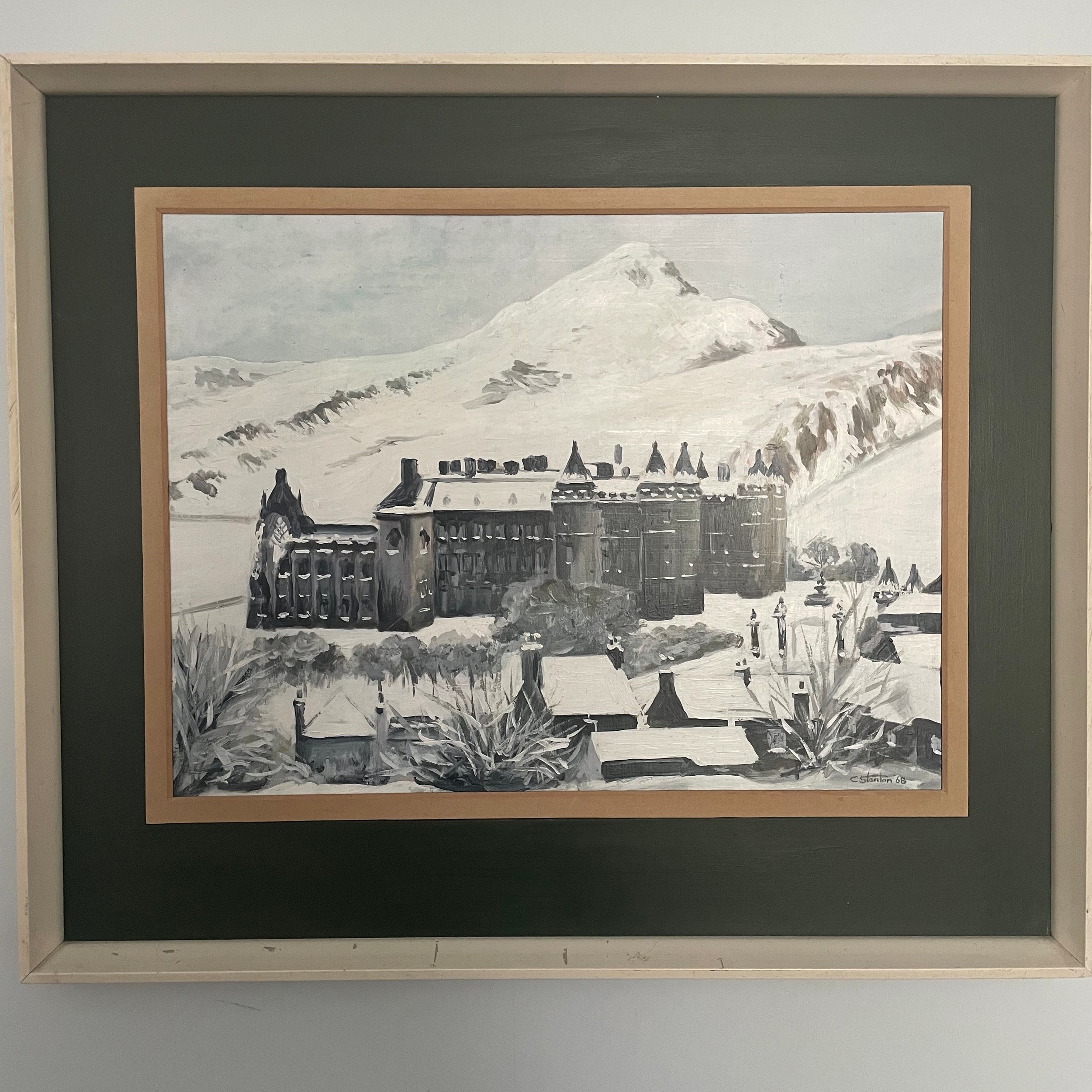
Edinburgh is a city of historic layers and you can see it in the painting. To most people it’s just a little oil painting of an Edinburgh view but to me it reminds me of the many layers and connections I have with this city and its history.
Take a look around your own home. The most interesting objects are probably not the most expensive ones, but the ones that mean something to you, those which remind you of a place, or a time. These are the objects that know where they are.