The Norlicht Reading List, May 2026
I read widely about Scotland and beyond. These are books about conviction. They are about what it looks like when a house, a room, a city knows exactly where it is and makes no apology for it. We read widely in order to look at Scotland more clearly.
Charleston: A Bloomsbury House and Garden Quentin Bell & Virginia Nicholson,White Lion Publishing
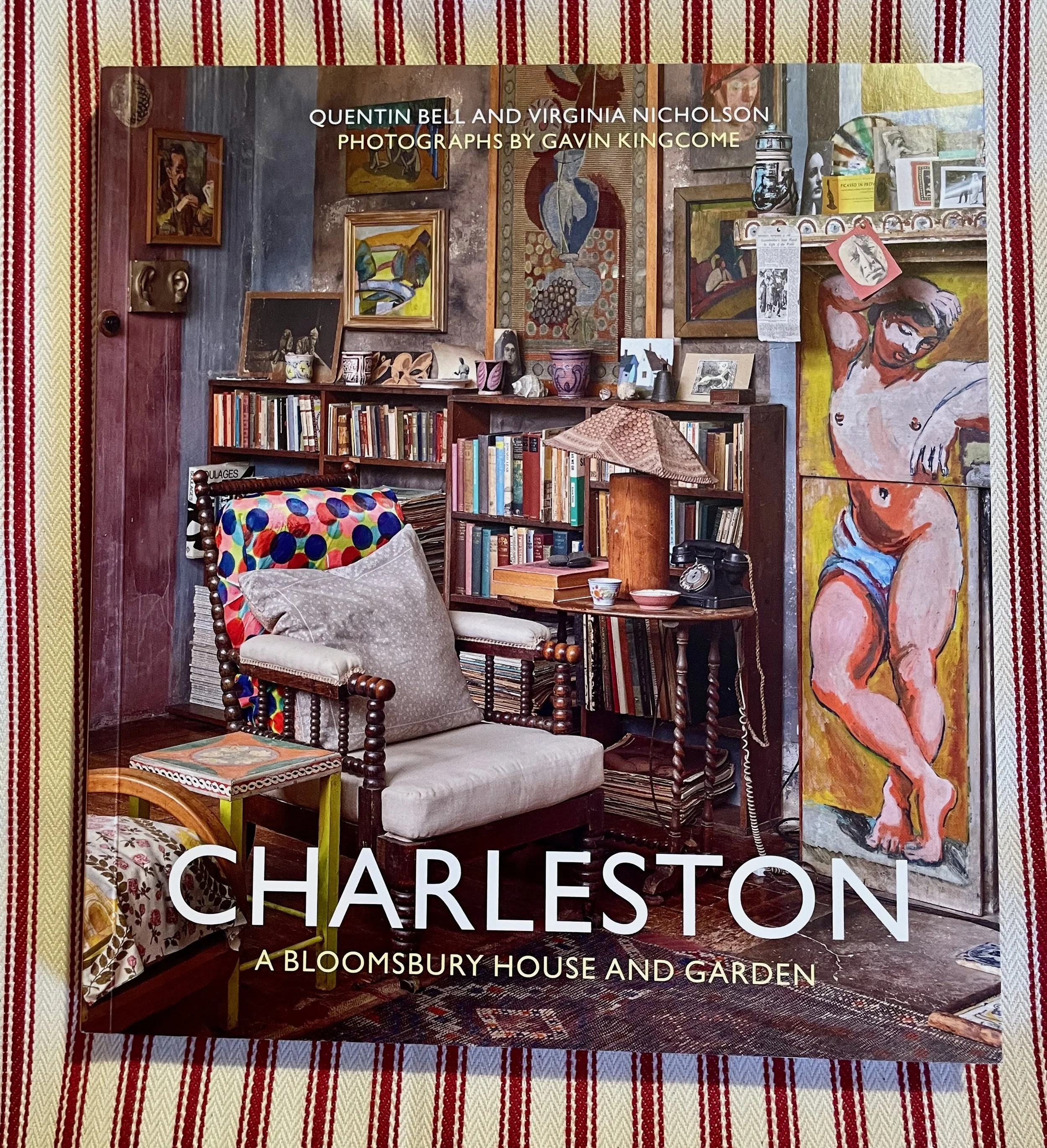
Charleston in Sussex was the home of painters Vanessa Bell and Duncan Grant, and for more than five decades, their canvas. Every surface painted, every wall covered, every piece of furniture transformed by artists who saw no reason to stop at the edge of the easel. But Charleston was never just theirs. It was the gathering place of the Bloomsbury group. They were writers, economists, artists and thinkers who came, stayed, argued, loved and left their mark on the house and its life. Look closely at the dining room walls, with their hand-stencilled decoration, and you are looking at Duncan Grant and Vanessa's son Quentin Bell painting together at the start of the Second World War. Quentin later said it was a way of coping with the impending doom. That is what Charleston was: a place where people made beautiful things when the world was at its most difficult, because making beautiful things was the only sane response. Duncan Grant, incidentally, was Scottish. He was one of the Grants of Rothiemurchus, born at The Doune. Charleston has little else to do with Scotland. The rooms are entirely of their time, their place, their people. That is the take away.
The Poetics of Space
Gaston Bachelard, Penguin Classics, 2014
A French philosopher writing in 1958 about attics and cellars, nests and corners. Bachelard is interested in what spaces do to us. He is not interested in how they look but in how they feel and what memories they invoke. This is the philosophy beneath every decision Norlicht makes. Why does a particular room feel right? How does a Scottish designed interior feel different from one that doesn't? Bachelard does not answer these questions directly. He gives you the tools to ask them properly. Difficult in places. Worth every page.
Edinburgh: Mapping the City
Chris Fleet & Daniel MacCannell, Birlinn, 2023
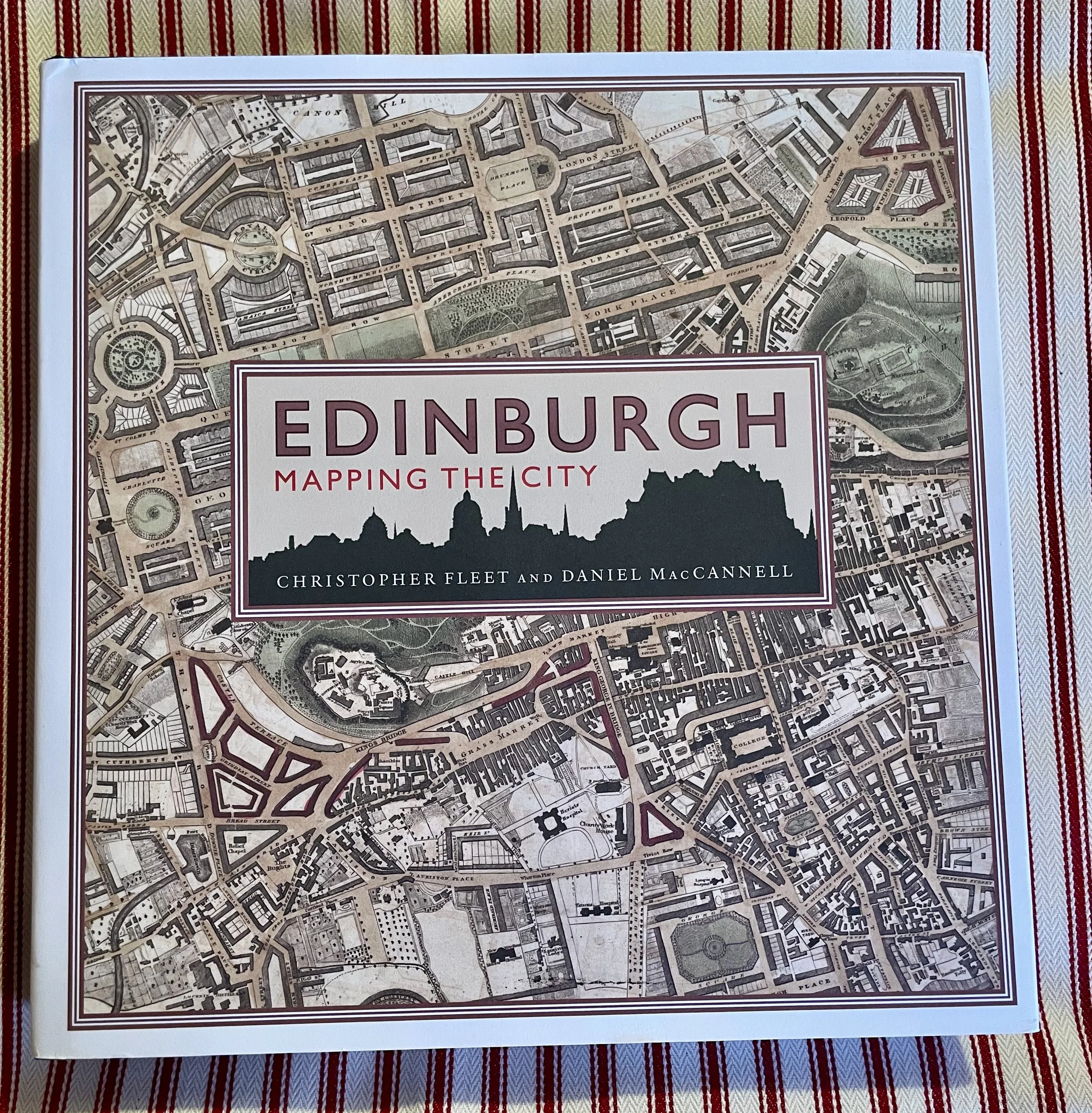
When I travel around the city I like to think that I’m walking through layers of history, both of my family and of the city. I travel along streets where my ancestors have walked. There’s the street near the Shore where my ancestors lived 200 years ago. There’s the Canongate Kirk my granny used to attend as a young woman. There’s the office my mum had in a New Town basement. This book takes that further for me.
Seventy-one maps of Edinburgh from 1530 to the present, each selected for what it reveals about the city at a particular moment namely its politics, its commerce, its social life, its ambitions. Fleet is Senior Map Curator at the National Library of Scotland; MacCannell has spent twenty years studying Scottish buildings and townscapes. Together they show that a map is not a diagram of where things are but a record of how a city understands itself at a given point in time. To walk through Edinburgh is to walk through layers, through medieval close, Regency terrace, Enlightenment stairwell. This book shows you those layers one at a time, from above, across five centuries. Read it before you walk the city. It changes what you see.
Prospect Cottage: Derek Jarman's House
Gilbert McCarragher, foreword by Frances Borzello Thames & Hudson, April 2024
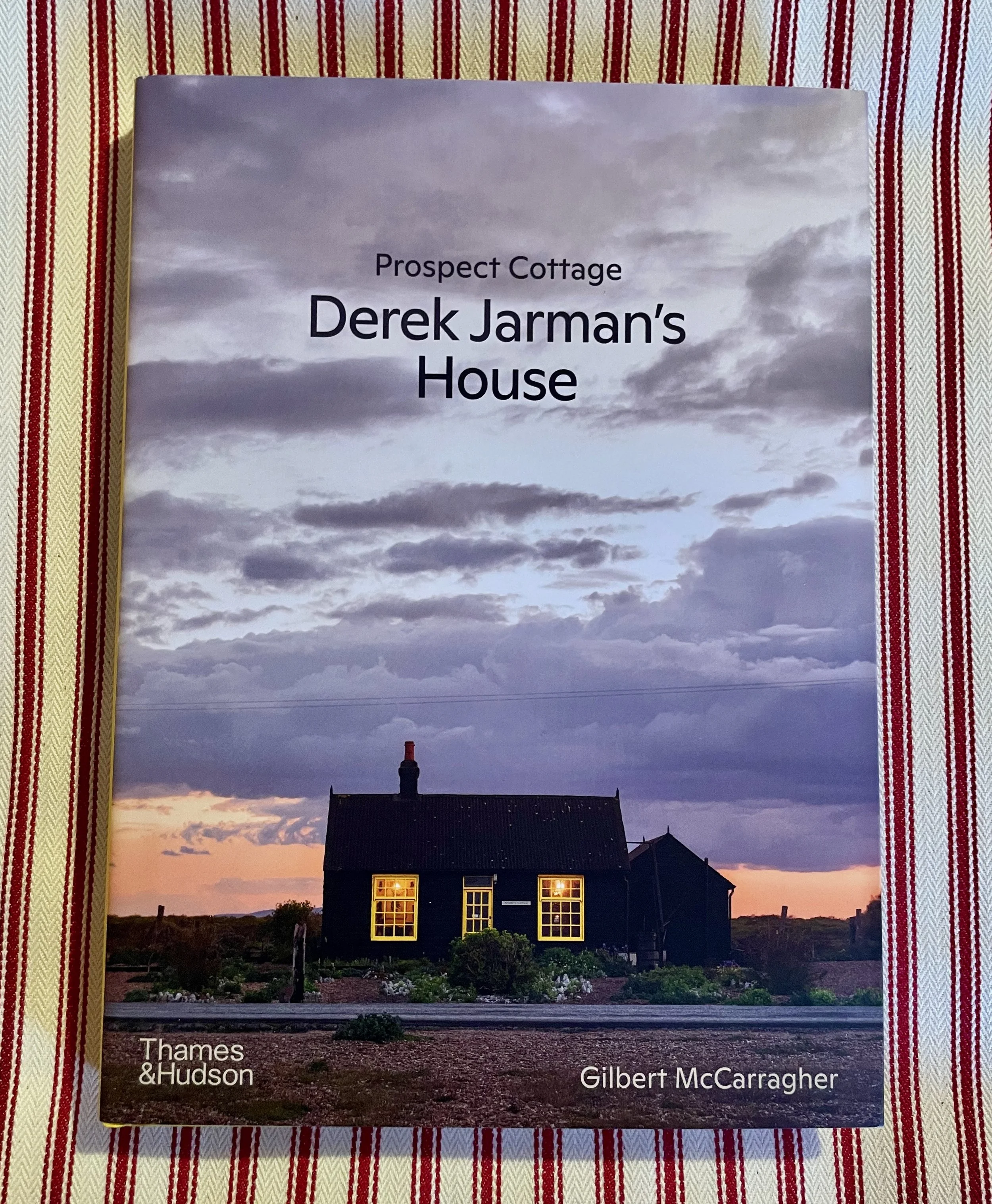
Prospect Cottage on the shingle beach at Dungeness is one of the most written-about houses in Britain and, judging by the number of black-painted wooden structures with yellow windows that have appeared across the country in the past decade, one of the most copied. Copied on the outside, that is. This book opens the door onto the inside, which few have seen until now. Gilbert McCarragher, a friend and neighbour who was asked to document the house after the death of Jarman's partner Keith Collins in 2018, spent months inside recording the rooms.
Some of the most interesting homes are those of artists . The same skills involved in composing film and photography lend their eye to the arrangement of interiors.
McCarragher compares the house to a camera: a dark interior, light entering through carefully placed openings, every shaft of it deliberate.
This book has nothing to do with Scotland. It has everything to do with what Norlicht is trying to do.
An English Vision
Ben Pentreath, Rizzoli, 2024
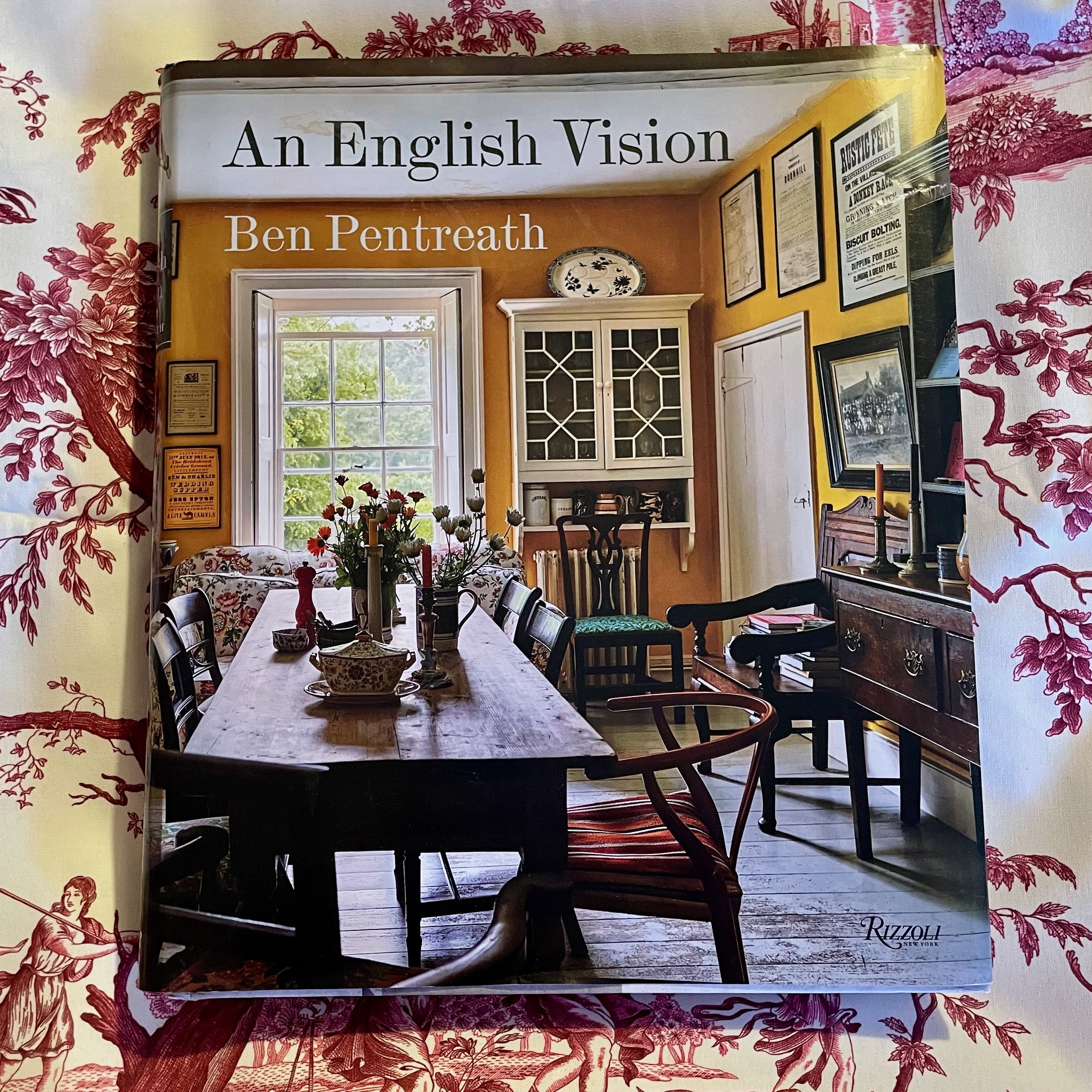
Pentreath is unapologetically English. He is English in his materials, his references, his colour and his instinct for a room. This book, published to mark twenty years of his London practice, is thirty case studies in what it looks like when a designer knows exactly what his style is. You can recognise the components that make up a sublime Pentreath interior.
He has worked extensively in Scotland in new builds, restorations, and the Tornagrain new town in the Highlands. The final pages show his Argyll bothy, a room that is a little bit tongue in cheek Scottish, but absolutely charming and unmistakably his.
Memoirs of a Highland Lady
Elizabeth Grant, Canongate, complete edition.
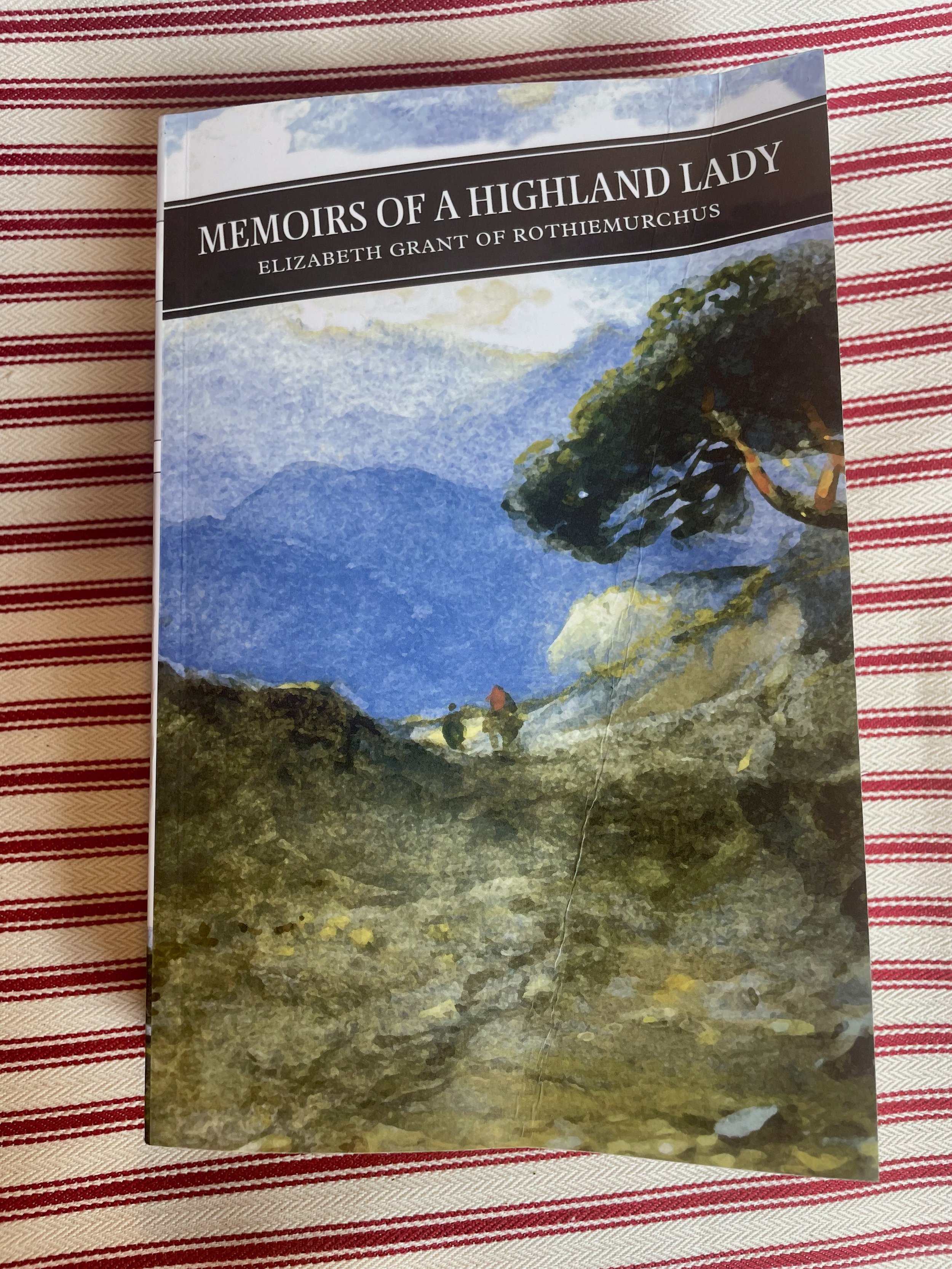
Elizabeth Grant opens her memoirs with "I was born on the 7th May 1797 of a Sunday evening at No. 5 N. side of Charlotte Square, Edinburgh, in my father's own lately built house." Elizabeth Grant describes living in the New Town when it was new. She talks about the people and the buildings. Her family moved between various New Town houses and the Rothiemurchus estate on Speyside. She was incidentally Duncan Grant of Charleston's great aunt. Read it for the New Town when it was first inhabited. Read it for the Highlands. Read it because nobody has better described that specific period of domestic upper class Edinburgh life.
Disclosure: Links to books on this page are affiliate links via Bookshop.org, which helps support independent bookshops. If you purchase through these links we may earn a small commission.