What Makes it Scottish?
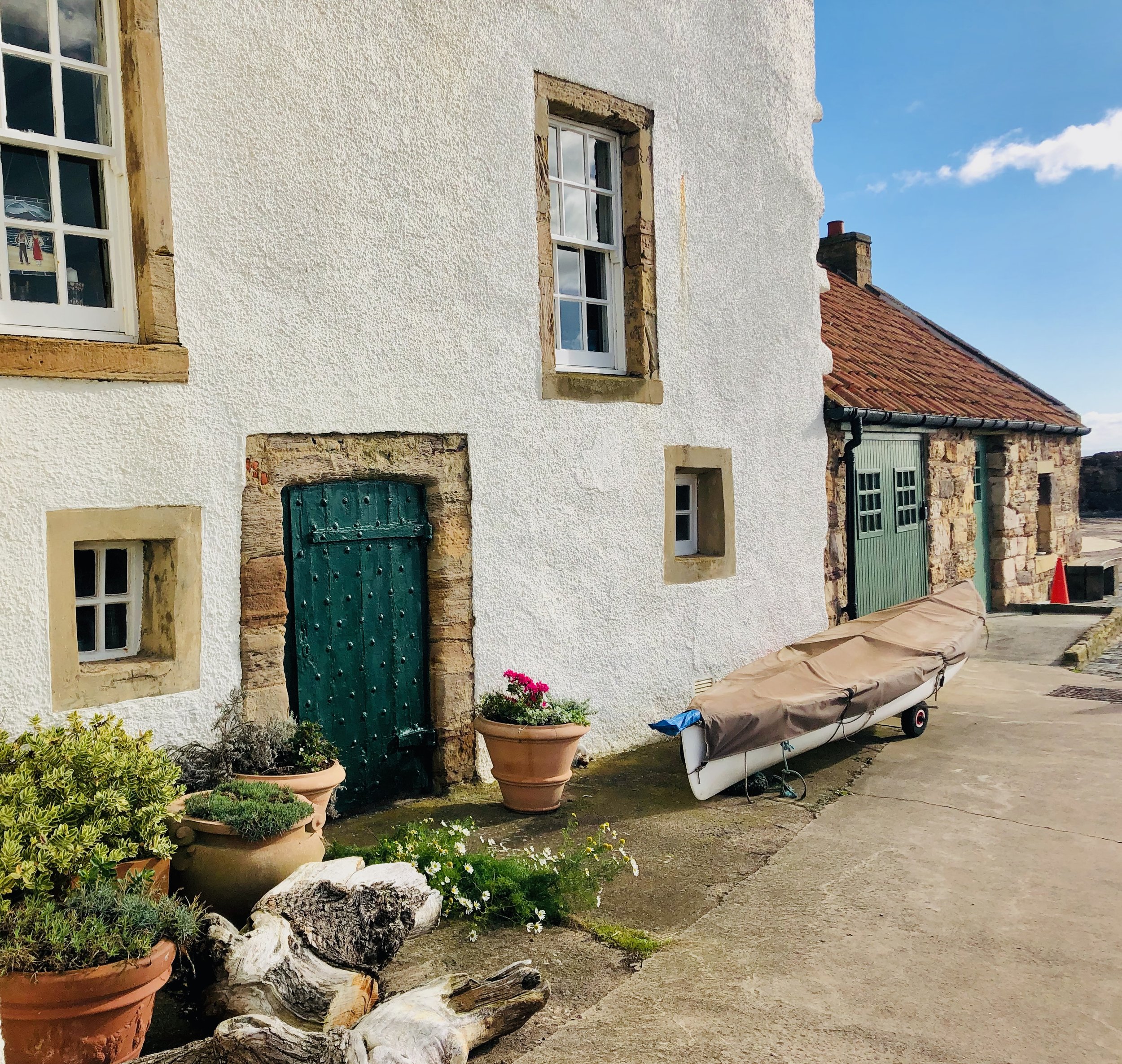
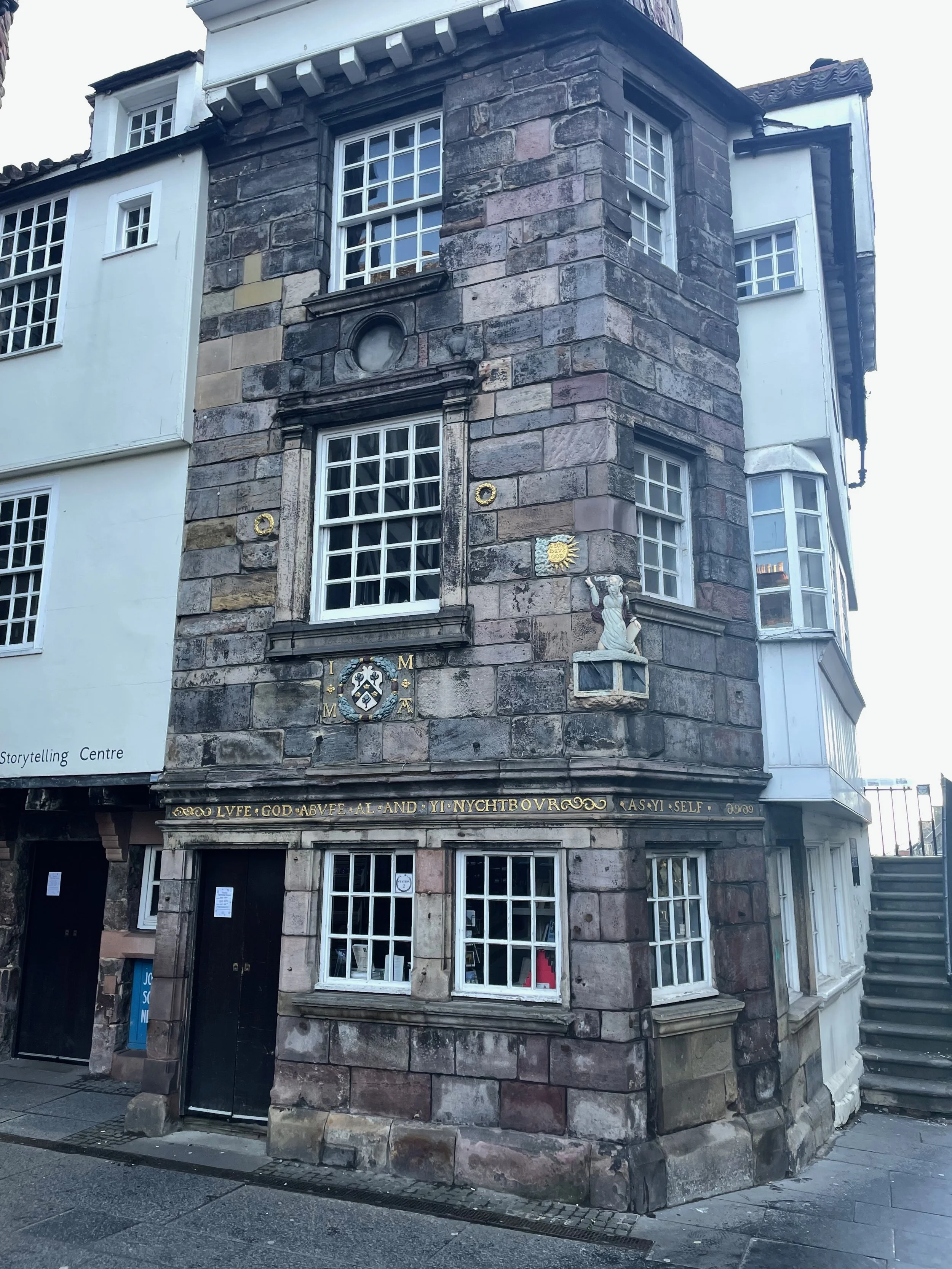
There are architectural styles in Scotland that are instantly recognisable. You know you are in Scotland when you see a corbie stepped gable on a tenement, a harled cottage, a particular colour of stone on a Georgian tenement with its 6 over 9 window pane arrangement which is common to Edinburgh. Scottish vernacular architecture is among the most distinctive in the world. People consider Scotland to be one of the most pretty places to visit and that is due in a large part to the architecture albeit set in amazing landscapes too.
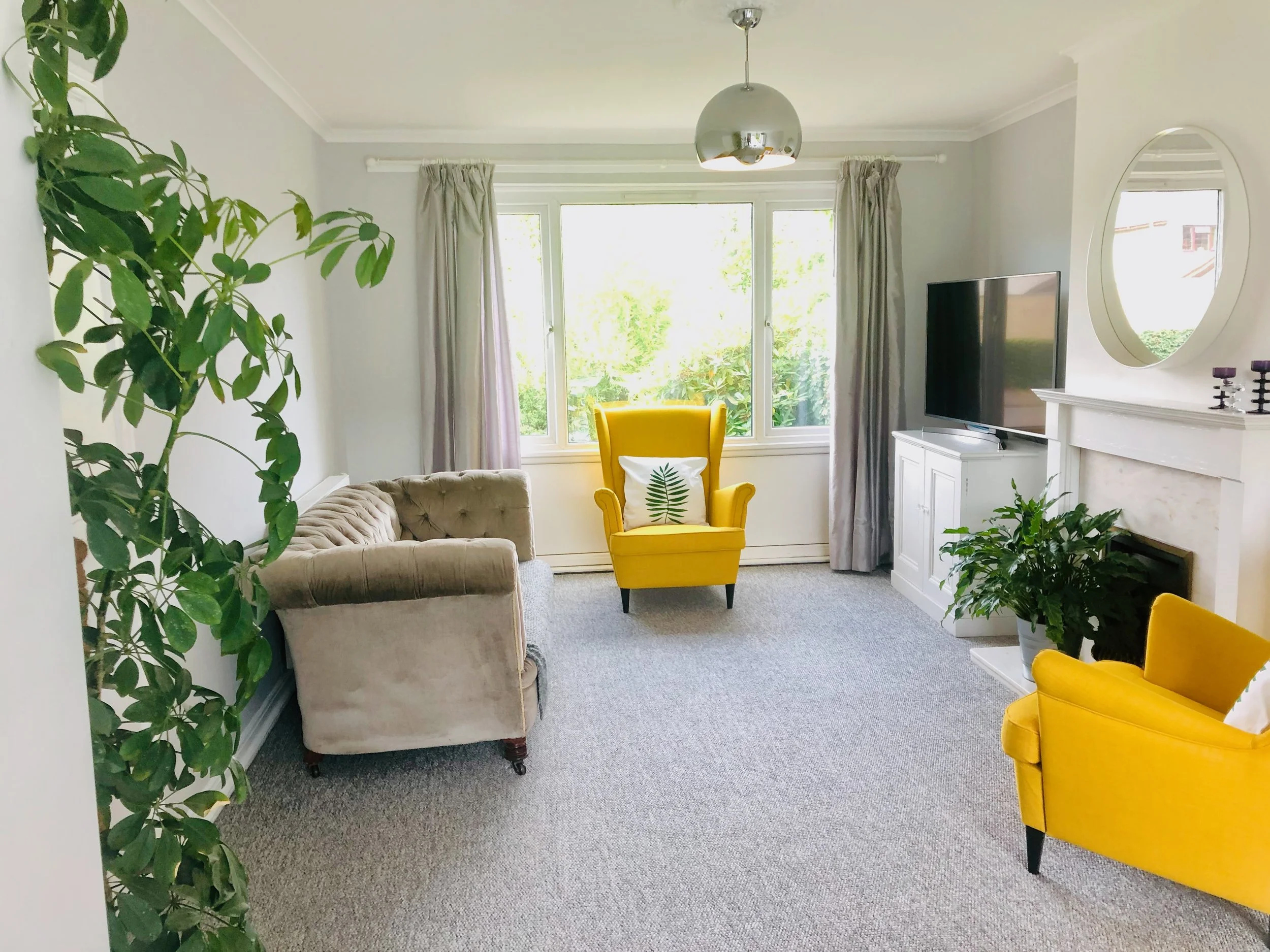
However, step inside, and it is often disappointing. The interiors could be anywhere. They are Scandi, Japandi, Mid Century, Contemporary Country, whatever the prevailing vibe happens to be this year. There is nothing wrong with any of these. There is just nothing particularly Scottish about them either. On the right is a picture of a room I decorated a few years ago in a modern mid century house for sale. I like it and it certainly did the job, but it doesn’t say “Scottish”.
This is the gap Norlicht seeks to address.
Not by reaching for the obvious shorthand. At one end of the scale sits the full Balmoral with numerous tartans in a single room, heavy Victorian furniture, hunting and shooting paraphernalia covering every surface. It's certainly a look. It is not, for most people, a liveable one. Scottish homes don’t tend to use much tartan except perhaps at Christmas. At the other end sit the Scots words embroidered on cushions, the shortbread tin aesthetic, the interiors that shout their Scottishness in large letters. Neither of these is what we mean.
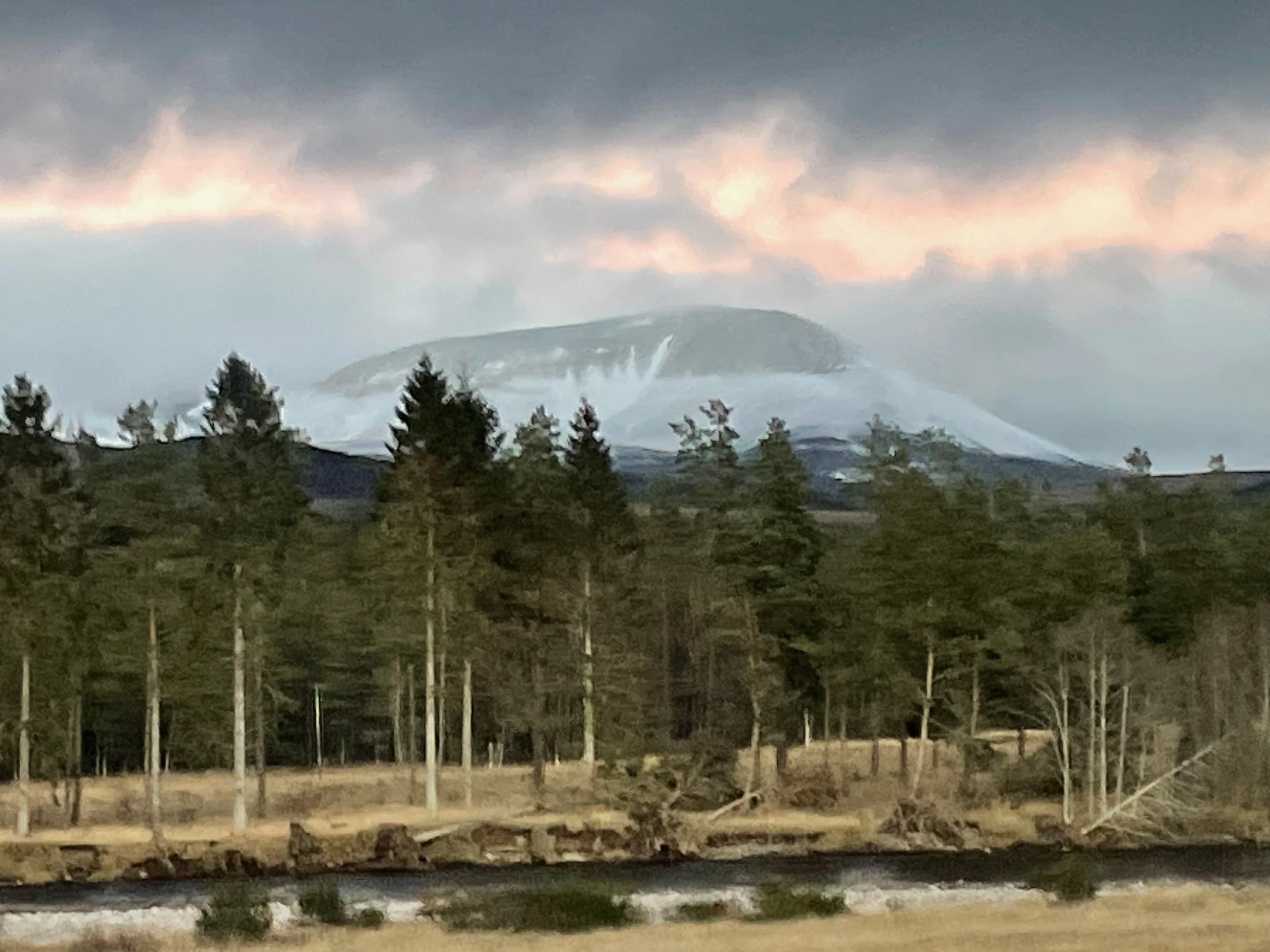
Writers say show not tell. We agree. We want to show you that you are in Scotland not tell you. The colours are chosen to sit in grey northern skies rather than against a Californian sun. The antiques that are quietly, specifically Scottish. A Monart vase on a shelf, perhaps the kind your Scottish grandmother had, made in Perth between the wars, its swirling glass catching the northern light. A painting of somewhere you know.
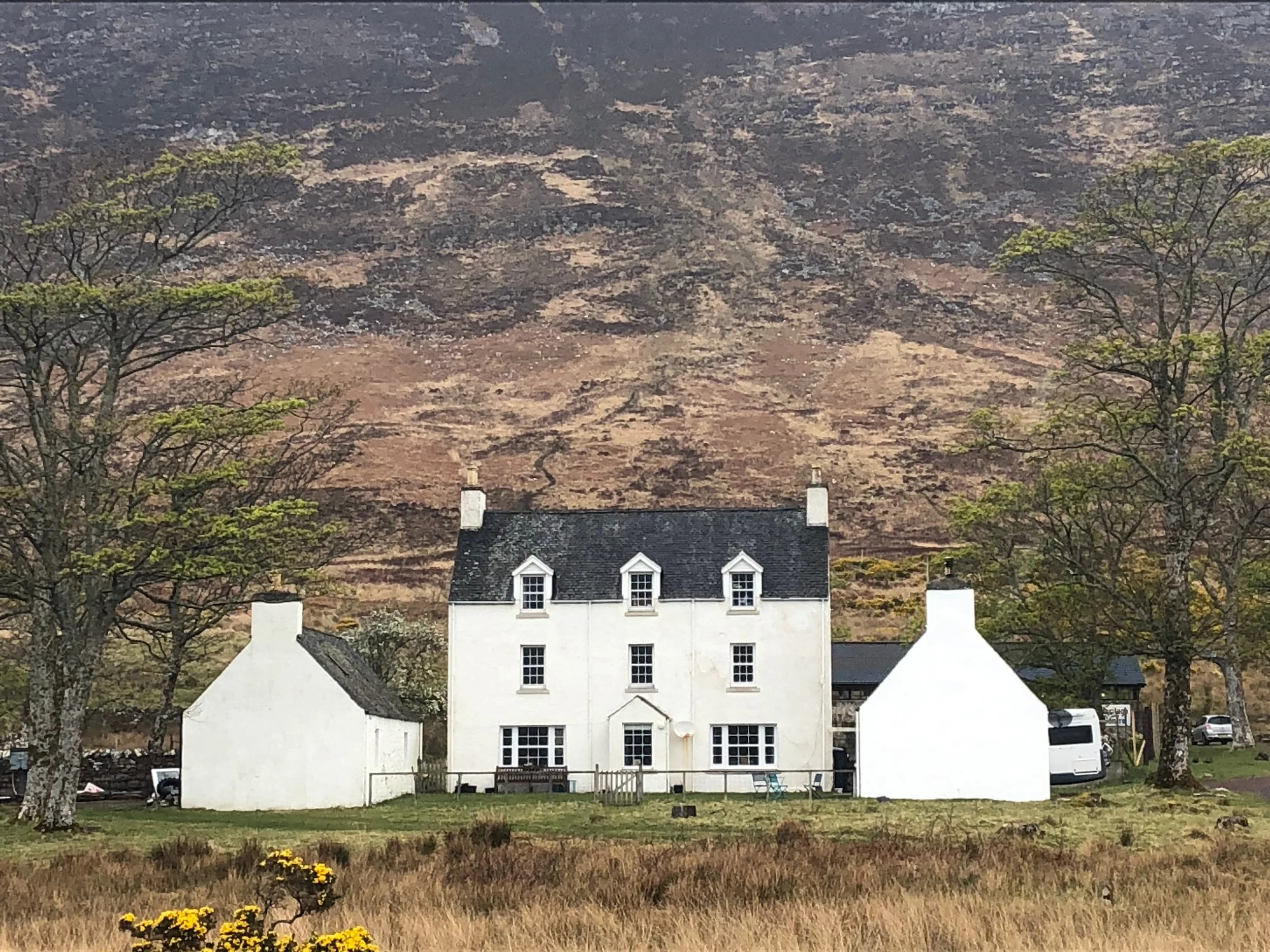
We will consider practicalities too. Nothing illustrates the problem more clearly than a highland house fitted with giant patio doors. They might work beautifully on a London townhouse. In the Highlands, the midges will get you from June to September and the wind and rain will get you for the rest. A large, deeply set window with a window seat and cushions would work better. It connects you to the landscape and frames the view, without exposing you to too much weather.
This is exactly what we mean. We’re designing for the place, the light, the climate.

Our work comes from a deep knowledge and love of this country, its history, its architecture and its people. We want that to be reflected in the homes and buildings we love to live in.